|
|
|
Common household pesticides show up in treated wastewater and in Bay Area creeks, sometimes at levels that can harm sensitive aquatic life. These fact sheets are designed to help you manage pests in a less toxic manner.
|
To learn about home composting, contact the Master Gardeners by visiting http://www.mastergardeners.org/ or call 707-565-2608 or 938-0127; Master Gardeners are volunteers trained and certified by the University of California Cooperative Extension (UCCE). |
|
| Guides available for download
|
The following guides are available for download in Adobe PDF format. Some guides are provided in English and Spanish. You will need Adobe Acrobat Reader to view these files. It is available for free download from Adobe.
|
|
Wonderful Roses!
|
Growing roses that require minimal care is not difficult. By choosing appropriate rose varieties, planting roses properly, and carefully following recommended cultural practices, you can grow beautiful roses that are less susceptible to pests and diseases. |
|
Controlling Snails and Slugs in your Garden
SPANISH VERSION
|
Amazing as it seems, our pest snails were originally imported from France for culinary purposes. Unfortunately, they escaped to become a major garden and agricultural problem. Snails and slugs are closely related. They both have soft, oblong bodies and produce quantities of slime to help them move around. |
|
Controlling Yellowjackets around your Home
SPANISH VERSION
|
With their potent sting, yellowjackets can be menacing creatures when it comes to a showdown over the picnic table. In years when the spring is warm and dry, yellow-jacket populations can increase to the point of making outdoor activity difficult. Buy few people are aware that yellow-jackets are voracious predators of insect pests such as caterpillars and flies. |
|
Pesticides and Water Quality
|
Evidence
shows that a growing number of commonly purchased and applied pesticides can be harmful to both people and the environment. Part of the problem is the toxicity of the pesticides themselves, but an even greater factor is the sheer volume
of pesticides people use, which ends up in our water, air and soil.
|
|
Tips for a Healthy Beautiful Lawn
SPANISH VERSION
|
Lawns can look beautiful without using pesticides and fertilizers that may contribute to water quality problems in a local creek or river. The tips in this brochure will help you maintain a healthy beautiful lawn that can out-compete weeds and other lawn pests. |
|
Controlling Ants in your House
SPANISH VERSION
|
In the Bay Area, the ants most frequently found invading homes are called Argentine ants. Although they can be pests, ants provide an ecological cleansing and fertilization service of considerable importance. For example, they kill and eat many pest insects, aerate the soil, and recycle dead animal and vegetable material.
Because of these beneficial aspects, it is undesirable (and probably downright impossible) to eliminate ants from their outside habitat. The best approach to ant management is to try to keep them outdoors. |
|
Controlling Aphids in your Garden
|
Most plants can tolerate low to moderate numbers of aphids without noticeable damage. On some plants, however, large numbers of aphids can distort foliage and lower and stunt plant growth. Some species of aphids can also transmit plant diseases when they puncture plant tissues to feed.
Aphids excrete "honeydew," a sweet substance that forms a harmless but sticky coating on leaves. The honeydew is soon colonized by a fungus called "sooty mold," which is also harmless, but makes leaves look black and dirty. Argentine ants love honeydew, and to ensure a continuing supply, they protect aphids from their natural enemies. When this happens, aphid management must include ant management (see Ant fact sheet in this series). |
|
Keeping Cockroaches out of your House
SPANISH VERSION
|
Although cockroaches are useful outdoors, where they help recycle plant and animal wastes, they are not welcome indoors. Research clearly indicates that roaches can carry disease-causing organisms from sewers, garbage cans, or bathrooms to kitchen counters and human food. Cockroaches can also trigger allergic reactions in some people.
|
|
Keeping Fleas Off Your Pets and Out of your Yard
SPANISH VERSION
|
The flea most commonly found in and around the home is a the cat flea, Ctenocephalides felis. Despite its name, the cat flea finds dogs and humans quite tasty too. Flea bites cause irritation, but also serious allergies in some animals and humans.
|
|
Living with Spiders, The Helpful Hunters
SPANISH VERSION
|
Spiders are beneficial creatures. Because they feed on large quantities of insects, they should be tolerated as much as possible in the home and garden. Spiders are not insects. They are classified as "arachnids" and have eight legs. Insects have six legs.
|
|
Growing a Healthy Garden to Manage Pests Naturally
|
A Healthy garden filled with a wide variety of flowering plants will be more resistant to significant pest damage. A healthy, diverse
garden will also attract beneficial creatures, such as dragonflies, ladybugs, lacewings, syrphid flies, and "miniwasps," which feed on pests.
|
|
Keeping Mosquitoes Away from You and Your Yard
|
Mosquitoes aredelicious food for fish and other aquatic creatures, but their buzzing and itchy bites make
them a great annoyance to
people. Mosquitoes can also
carry a variety of diseases; so
controlling them, especially by
eliminating breeding sites,
should be a priority for everyone
in the community.
|
|
Finding a Company That Can Prevent Pest Problems
|
If you have a pest
problem, you may be able to solve it yourself with the help of the resources listed at the end of this fact sheet.
|
|
Use and Disposal of Pesticides
SPANISH VERSION
|
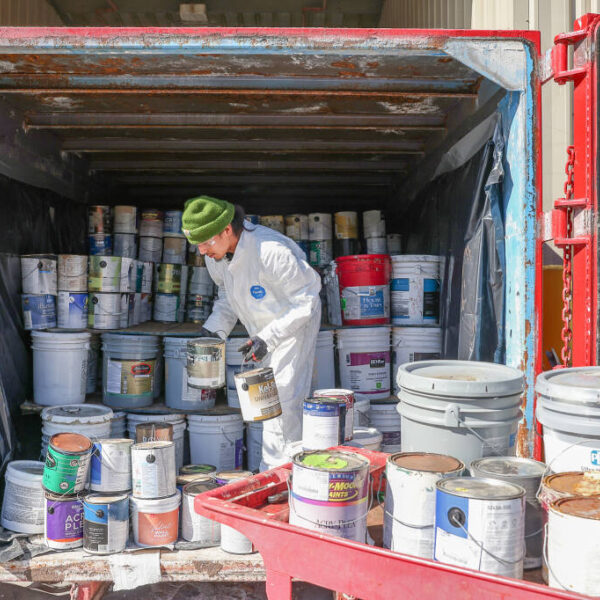
Even when applied according
to the label directions, pesticides make their way into our waterways, air, rain and fog. Even small amounts of
pesticides can be lethal to marine
life, birds, and other life
forms. Just one granule or seed
treated with diazinon, a common
household pesticide, is
enough to kill a small bird.
|
|
How to Control Weeds
|
It is unrealistic to
think that we can have a garden or a lawn that is entirely weed-free. We need to manage weeds so they don't become an overwhelming
problem. This means tolerating some weeds in some situations. If you really want to
solve your weed problem, you will need to spend some time,
have some patience, and expend some effort.
|