|
|
|
|
|
|
Related topics:
Home composting |
Getting started | Worm composting | Troubleshooting |
Tips on using compost | Grasscycling
On this page:
Hoops | Bins | Buckets | Worm bins | Sources for used building materials
|
|
Hoops, bins, buckets, and worm boxes can help you fit your compost into small spaces. Choose a structure that is the right size, style, cost and effort level for you. Remember to use recycled building materials or containers whenever possible.
|
|
Home composters available mail order include:
Covered Bridge Organic at www.cboinc.com
The Green Culture at www.composters.com or phone 800-233-8438.
|
|
Hoops
Hoops are easy and fairly inexpensive to build, and help to keep your compost pile tidy.
What to compost:
Yard trimmings
Cost: $15 to $30 for new materials.
Materials:
11'x3' length of galvanized heavy-duty wire mesh fencing or hardware cloth (1/4", 1/2", 1" or 2" mesh).
(4) 5" pieces of insulated wire or other easy-to-twist wire larger than 12 guage. This wire is used to complete the circle of the hoop.
Tips:
For best results, install in a location that is protected from the wind, and where there is enough space to turn the compost easily. Compost can be turned by unfastening the hoop, setting it up in an adjacent spot and forking the compost into the hoop in its new location.
|
|
Bins
Dark-colored commercially available bins can be purchased at many hardware and home improvement stores. Although these bins may be more attractive, functionally they are not much better than the hoop method.
What to compost:
Yard trimmings and when made rodent-proof work well for food wastes. To make rodent-proof, holes should be no larger than 1/4".
Cost: Varies from $30-$100.
Types of bins commercially available include:
Cones/boxes:These bins are typically made of solid construction with lids and bottoms. Some have doors at the side for harvesting finished compost.
Stacking units:These are box-shaped with sections that come apart.
Tumblers:These are self-contained barrels, drums, or balls that rotate for mixing the composting materials.
|
|
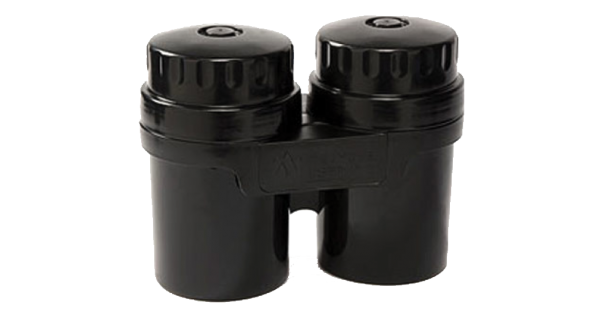
Buckets
What to compost:
Small-scale food waste compost system. Also works for worm composting.
Cost: $6-$20 for purchase of new materials. 5-gallon buckets may also be available for free from local businesses; visit how to obtain used building materials.
Tips: Do not add extra water to enclosed bucket systems since the moisture from the food is adequate. Stirring will provide aeration, necessary for odorless decomposition.
|
|
Worm bins
Food wastes and worms are bedded in shredded and moistened newspaper, cardboard, peat and brown leaves.
The worms turn both food wastes and bedding into a high-quality compost suitable for use on house plants, seedlings or general garden use.
What to compost:
Food wastes
Cost:
$35 for new materials.
Materials:
Plywood and 2x4 construction or use an old shipping crate from a local manufacturer. Or, buy a plastic storage container. Make sure your worm bin has a lid to keep out flies and rodents.
Where to put your worm bin:
Because worms like moderate temperatures (between 55 and 75 degrees F), place your bin in a shaded location where it will not freeze or overheat and that is protected from the rain (e.g., back porch, garage, basement, patio or laundry room).
Tips:
Your bins need to be only 8"-16" deep, since compost worms are surface feeders. Make sure your bin has a lid to keep out flies and rodents. The rule of thumb for bin size is two square feet of surface area per person, or one square foot of surface area per pound of food waste per week. A family of four may want two or three bins.
To maintain the system, rotate burial of food wastes through the bins. Every 3-6 months, the compost should be moved to one side of the bin and new bedding added to the empty half. At this time, start burying wastes in the new bedding only. Within one month, worms will populate the new bedding, finished compost may be harvested from the first half, which can be rebedded. During the winter, worm bins may be kept in a cool indoor space such as a basement or warm garage to avoid freezing. A properly maintained worm bin is odorless. Bins may be placed in a shady outdoor space the remainder of the year.
|
|
Sources for used building materials
Beyond Waste
607 W. Sierra Ave. | Cotati | 707-792-2555
F 1-4 & by appointment. Deconstruction and salvaging of buildings; resale of used building materials
Central Landfill (Recycletown)
500 Mecham Road | Petaluma | 707-795-3660
Daily 7-3:30. Resale of scrap wood, shipping crates, doors and windows. Bargain prices!
Healdsburg Transfer Station
166 Alexander Valley Rd. | Healdsburg | 707-433-0321
Daily 8-4:30. Resale of scrap wood, shipping crates, doors and windows. Bargain prices!
Sonoma Transfer Station
4376 Stage Gulch Rd. | Sonoma | 707-996-5423
Daily 7-3:30. Resale of scrap wood, shipping crates, doors and windows. Bargain prices!
Sources for shipping crates
To view current free sources of shipping crates from Sonoma County's businesses, visit our material's exchange site SonoMax at
www.recyclenow.org/sonomax.
|
|
Introduction |
Residential Recycling |
Curbside Recycling |
Home Composting |
Less Toxic Pest Management |
Household Toxics |
Business Recycling |
Business Resources |
Business Hazardous Waste |
Special Events Recycling |
Business Food Waste Composting |
About the Agency |
Building Green |
Buy Recycled |
Waste Reduction |
Disposal Sites |
Contact us & order free resources |
Links
This site is sponsored by the Sonoma County Waste Management Agency.
Contact us at
eco-desk@recyclenow.org
|
|