|
|
|
|
|
Related topics:
Home composting |
Compost bins |
Worm composting | Troubleshooting |
Tips on using compost | Grasscycling
On this page:
Composting 1-2-3 | What can you compost | No fuss compost | Bucket compost | Fast compost | Worm compost
|
|
Composting 1-2-3
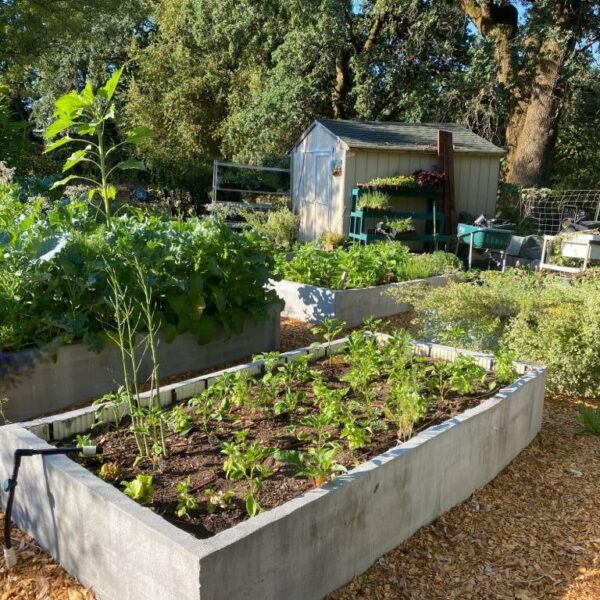
The bugs, fungi, bacteria and worms in your yard or worm box do most of the composting for you. Whatever recipe you choose, it's as easy as 1-2-3!
1. Chop compostables.
The more you chop, the faster the decomposition process will go.
2. Mix
dry, brown, carbon-rich material, with moist, green nitrogen-rich material for a balance of nutrients.
3. Water
the materials as you build the pile, then keep the pile as damp as a wrung-out sponge. This speeds the decomposition process.
|
|
What can you compost?
|
|
Dry browns
Sawdust/straw
Chopped prunings
Shredded paper
Shredded cardboard
Paper towels/tissues
Pine needles
Dry leaves/weeds
Coffee grounds/teabags
|
Moist greens
Garden refuse
Green leaves/weeds
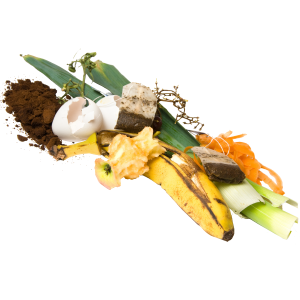
Fruit/vegetable trimmings
Manures
Grass clippings
|
|
|
Food wastes
should be composted only in worm-boxes, rodent-proof bins or buckets (with no holes bigger than 1/4 inch) or by burying small amounts at least one foot deep in a compost pile.
Do not compost
meat and bones, dairy products or greasy foods; dog and cat feces, unchopped wood, diseased or invasive plants.
No fuss compost
This is the easiest way to compost yard wastes as they accumulate.
Ingredients:
Yard wastes, some water as needed. (Note: When adding grass clippings, mix them with dry brown materials to prevent compaction.)
Directions:
In a heap, hoop or bin, layer chopped yard wastes as they accumulate. Water as needed, so compost is kept moist as a wrung out sponge. In 12 to 18 months, the materials at the bottom and center of the pile will be dark, crumbly compost. Sift, and use the uncomposted material to start a new batch.
|
|
Bucket compost
This is a small-scale food waste compost system.
Ingredients:
Food wastes, dry materials (soil, sawdust, leaves, peat moss or finished compost), air.
Directions:
Add dry matter with food wastes to keep the moisture level balanced. Chop and mix with a trowel each time you add materials. If compost is too wet, or has an odor, stir in more dry material. When bucket is half full, let stand 1-3 months, mixing once or twice a week. Use finished compost in 1-3 months.
Fast compost
The fastest way to compost is to build a "hot" pile in a heap, hoop or bin. This requires frequent turning of the pile.
Ingredients:
Yard wastes, some water as needed.
Directions:
Layer and mix moist-green with dry-brown materials until you have a cubic yard (3'x3'x3'). Keep pile about as moist as a wrung-out sponge. Turn the pile one to three times a week to give it the air it needs for clean, fast composting. If the pile has too many brown ingredients and is not decomposing, mix in fresh green materials like grass clippings or add organic nitrogen/fertilizer.
Compost is ready to use in 2-15 weeks. Sift, and use any undecomposed material to start a new pile.
Worm compost
Worm composting will turn food wastes into a rich fertilizer and soil amendment.
Ingredients:
Food wastes, newspaper, red worms. For more information, visit worm composting.
|
|
Introduction |
Residential Recycling |
Curbside Recycling |
Home Composting |
Less Toxic Pest Management |
Household Toxics |
Business Recycling |
Business Resources |
Business Hazardous Waste |
Special Events Recycling |
Business Food Waste Composting |
About the Agency |
Building Green |
Buy Recycled |
Waste Reduction |
Disposal Sites |
Contact us & order free resources |
Links
This site is sponsored by the Sonoma County Waste Management Agency.
Contact us at
eco-desk@recyclenow.org
|
|